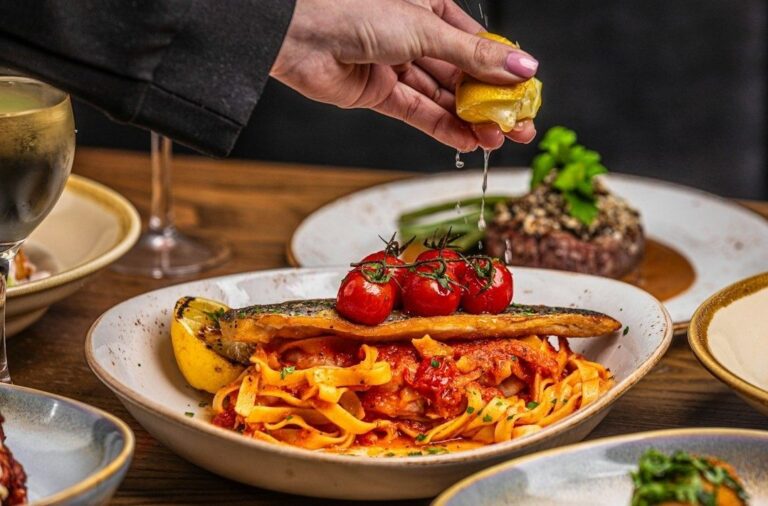
The Science of Culinary Brightness When a dish tastes flat, many home cooks reach instinctively for salt. Salt can amplify existing flavors, but it cannot always solve heaviness, muddiness, or a finish that lingers too long on the palate. In those moments, the missing element is often acid. A squeeze of lemon, a few drops …
Author: lukas
Culinary Metallurgy: How Steel Composition Dictates Kitchen Knife Performance and Care
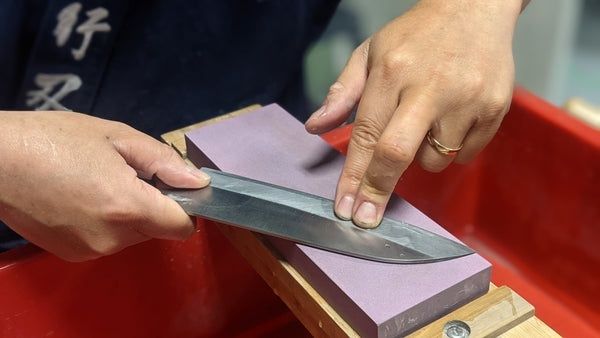
The Anatomy of an Edge A well-made kitchen knife announces its quality through the hand before it reveals it on the board. The edge enters an onion with a quiet, controlled bite, then glides through the layers without crushing them. A mass-market stamped blade often feels different: the handle may be light, the edge may …
The Architecture of Order: How Workstation Ergonomics and Mise en Place Protect Chef Focus
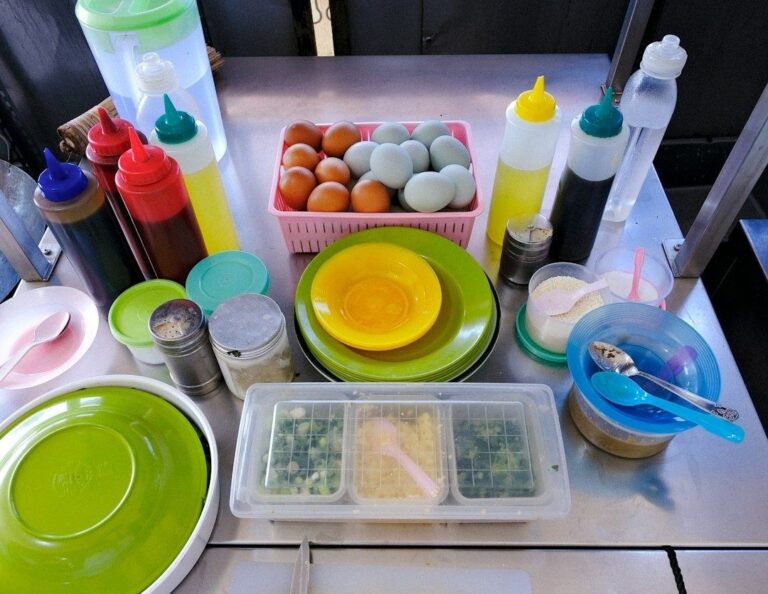
Beyond Chopped Shallots: The Hidden Power of Culinary Architecture Mise en place is often reduced to a familiar image: neatly cut vegetables, measured spices, and a row of containers waiting beside the stove. That picture is accurate, but incomplete. Proper mise en place is an external cognitive architecture, a physical system that holds information outside …
Beyond the Classical Brigade: How Modern Kitchen Hierarchy Is Evolving
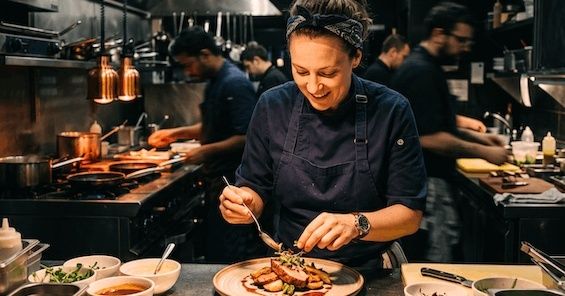
The Architecture of Heat and Order Auguste Escoffier”s brigade de cuisine gave professional cooking a durable operating system. In the late nineteenth century, the French chef adapted military ideas of rank, discipline, and division of labor to the demands of large hotels and banquet kitchens. Stations such as the saucier, rôtisseur, entremetier, and garde-manger each …
The Mechanics of Fermentation: How Wild Microbes Transform Everyday Produce
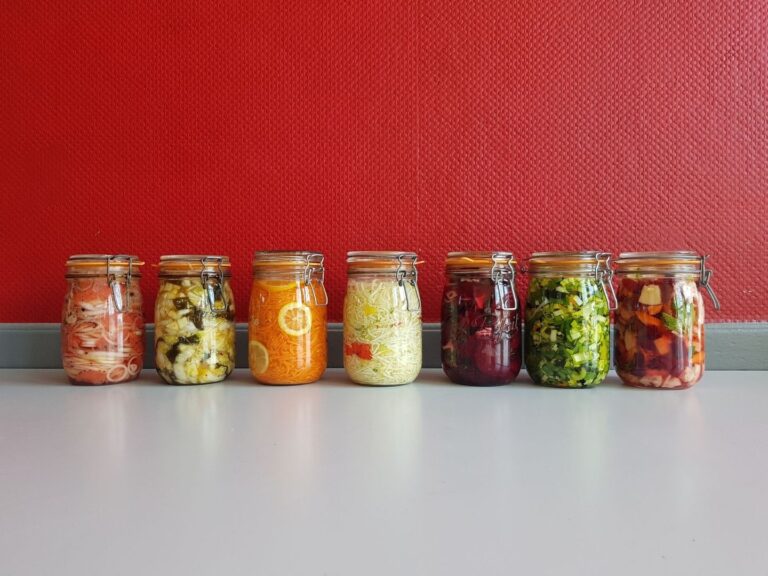
The Living Ecology Inside Your Fermentation Jar Lacto-fermentation is not passive preservation. Inside a jar of salted cabbage, carrots, beans, or radishes, a living ecosystem is selecting, multiplying, and changing the food around it. Fresh produce carries natural sugars, moisture, and a diverse population of microorganisms. Once salt and oxygen control reshape that environment, certain …
Maillard Reaction vs Caramelization: Master the Heat for Deeper Flavor
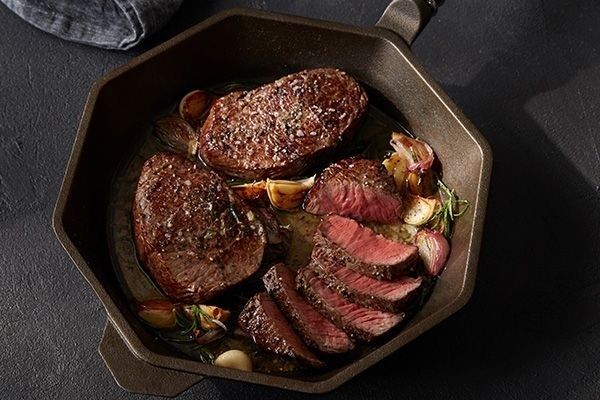
Unlocking the Transformative Heat Behind Great Flavor A pale mushroom becoming bronze, a steak developing a mahogany crust, or an onion turning soft and tawny all demonstrate the transformative power of heat. These changes are not simply signs that food has been cooked. They are evidence that moisture has been managed, surfaces have reached critical …
The Physics of the Emulsion: Why Hollandaise Breaks and How Surface Tension Saves It
The Fragile Equilibrium of the Classic Mother Sauce Hollandaise is a sensory marvel because it makes contradiction feel effortless. Pale golden butterfat becomes a smooth, glossy sauce that is rich without seeming greasy, fluid without being thin, and delicate enough to coat asparagus or a poached egg in an even, satiny layer. That apparent simplicity …