
Beyond Chopped Shallots: The Hidden Power of Culinary Architecture
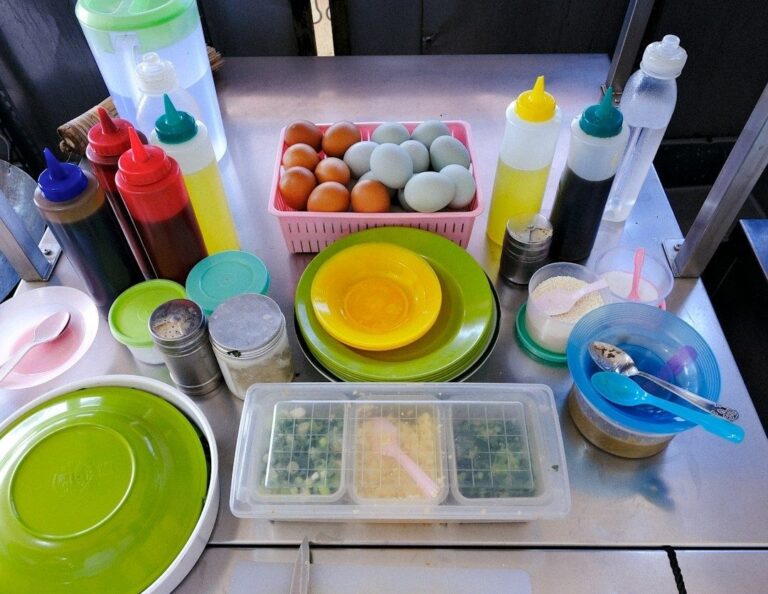
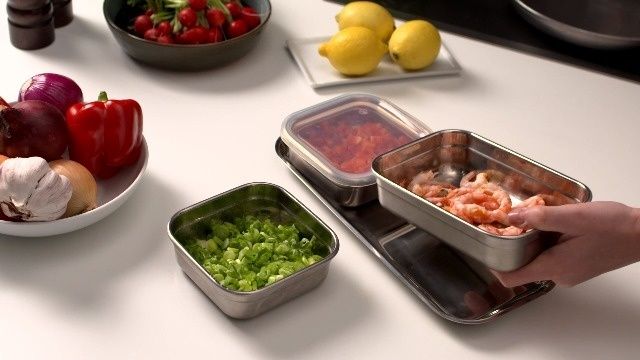
Mise en place is often reduced to a familiar image: neatly cut vegetables, measured spices, and a row of containers waiting beside the stove. That picture is accurate, but incomplete. Proper mise en place is an external cognitive architecture, a physical system that holds information outside the mind so the cook can concentrate on heat, timing, texture, and judgment. A labeled container of blanched beans is not merely convenient. It is a visible decision already made. A sauce ladle returned to the same position is not just tidy. It is a tactile landmark that shortens the path between intention and action.
During service, clutter creates friction in ways that are easy to underestimate. A misplaced pair of tongs forces a visual search; an overcrowded cutting board obscures the next garnish; an unlabeled bottle invites hesitation at the exact moment a pan is smoking. Each interruption is small, yet several interruptions can fracture culinary momentum. The central discipline is therefore architectural: structure the physical workstation so that attention remains available for the parts of cooking that cannot be delegated to habit. When the space is clear, craftsmanship becomes more precise, calmer, and more repeatable.
Offloading Working Memory Through Tactile Station Zoning
High-heat cooking places unusual demands on working memory. A chef may be tracking a reducing sauce, two pans at different temperatures, a protein resting under a rack, a garnish that must remain crisp, and several tickets with distinct allergies or modifications. Working memory is not an unlimited clipboard. Guidance from cognitive load theory research describes working memory as limited, with only a small number of novel pieces of information available at once before performance begins to deteriorate.
Mise en place reduces that burden by converting abstract instructions into visible and tactile relationships. Instead of remembering where every ingredient is, the cook learns that finishing salts occupy the left rear corner, aromatics sit closest to the dominant pan, and clean plating tools remain on a dedicated towel. Repetition turns these relationships into schemas. The hand reaches toward a known location before conscious thought has fully formed, allowing the eyes and mind to stay with the color of the fond or the sound of a simmer.
Compare two stations during a busy pickup. On a haphazard counter, the cook scans behind the board for a spoon, shifts a bowl to reach the pepper, and discovers that the only clean towel is underneath a stack of containers. On a deliberate station, every object has a job and a home. A fixed spatial map may include:
- Action tools: the knife, tongs, spoon, and spatula used repeatedly during the current task.
- Immediate ingredients: the next aromatics, seasoning, and finishing components within natural elbow range.
- Reference items: labels, recipe notes, and portion cues placed where they can be read without turning away from the heat.
- Recovery tools: a waste bowl, damp towel, and clean tasting spoon positioned for one-handed access.
The goal is not visual perfection for its own sake. It is to remove unnecessary decisions. When the location of a tool remains stable, muscle memory handles retrieval. When a container is clearly identified and portioned, the mind no longer spends energy confirming what it contains. The saved attention can then be invested in the meaningful variables: whether the oil is shimmering, whether the onions smell sweet rather than raw, and whether the pan is ready for the next ingredient.
The Anatomy of the Functional Line: Hot Zones and Tactile Anchors
A functional workstation can be organized into three overlapping tiers. The first is the immediate-reach zone, extending roughly from the front edge of the counter to the natural reach of the forearm. This area should contain only items used continuously or within the next few seconds. The second is the secondary staging zone, where prepared ingredients, backup utensils, and partially completed components wait. The third is the cold-holding zone, reserved for ingredients and preparations that must remain chilled or protected from heat. The exact dimensions vary with the cook and the equipment, but the principle remains consistent: frequency and temperature determine location.
This arrangement reflects a broader rule used in professional kitchen planning. Storage, preparation, and cooking should form an unobstructed working triangle, with as little unnecessary travel as possible. In a compact home kitchen, that may mean positioning the refrigerator door, board, and primary burner so that the body turns rather than crosses the room. In a restaurant, it may mean protecting the hot line from passing traffic and keeping expediting visible. Before committing to a layout, a masking-tape walk-through can reveal collisions, awkward reaches, and blocked cabinet doors before service exposes them.
| Zone | Typical contents | Ergonomic purpose |
|---|---|---|
| Immediate reach | Primary pan tools, salt, pepper, tasting spoon, current garnish | Minimizes searching and repeated shoulder movement |
| Secondary staging | Prepped vegetables, backup utensils, labeled sauces, portioned proteins | Keeps the active surface clear while preserving sequence |
| Cold holding | Perishable mise en place, dairy, seafood, chilled garnishes | Separates temperature control from active cooking and reduces contamination risk |
Tactile anchors make the zones dependable. A squeeze bottle should return to the same angle and position after every use. A damp towel should sit beside, not beneath, the board, where it stabilizes the surface without becoming a hidden obstacle. The cutting board should face the dominant cutting direction, with the knife resting safely and predictably when not in motion. These details create sensory landmarks. The fingers recognize the bottle by shape, the palm finds the towel without visual confirmation, and the board edge provides a constant reference for knife travel.
Cluttered configurations reverse these advantages. Bottles drift toward the burner, discarded stems mix with usable herbs, and a clean spoon becomes indistinguishable from one used for tasting. A zoned station does not eliminate movement; it makes every movement purposeful. The difference becomes especially important when several cooks share a line. Stable landmarks create a common language, reducing verbal traffic and helping each person understand which surfaces are active, clean, hot, or reserved.
Sensory Rhythm and the Elimination of Decision Fatigue
Orderly work supports more than speed. It also protects mental stamina. Repeated decisions, visual searches, and interruptions accumulate across a shift, producing the familiar sensation of being busy without being fully in control. Research discussing kitchens and psychological wellbeing has associated organized, accessible environments with greater calm and focus, while disorder can amplify irritation and stress. In a professional setting, this is not an argument for decorative neatness. It is an argument for structural support, especially when fatigue and ticket pressure are already high.
The most fluent cooks do not rely on vision alone. They read the station through a sensory rhythm. A sharp sizzle tells you that moisture is leaving the pan and browning may begin. The aroma of raw garlic becoming sweet signals a narrow window before it darkens. A sauce thickening changes the way the spoon moves through it, while a pan handle grows hotter against the fingers. These cues reduce frantic visual scanning. The body receives information continuously, and a stable station allows that information to be interpreted without interruption.
Between tickets, a reset does not require a full cleaning break. It can be performed in brief, disciplined windows:
- Clear the active surface. Return the dominant tool, remove scraps, and move completed containers back to their assigned zone.
- Restore the anchors. Replace the damp towel, realign squeeze bottles, and place the tasting spoon where the hand expects it.
- Preview the next action. Identify the next pan, ingredient, or plate, then bring only those items into immediate reach.
- Check heat and safety. Confirm that handles are turned away from traffic, flames are controlled, and hot surfaces are not hidden beneath towels or paper.
These resets can take only a few seconds when the station has been designed for them. They prevent small disturbances from becoming a new operating condition. The same principle appears in wider institutional approaches to sustained performance. Structural investment matters because individuals cannot be expected to compensate indefinitely for systems that provide inadequate support. A public example is the Pennsylvania mental health initiative, which focuses on expanding trained support rather than asking stressed communities to manage alone. In the kitchen, clear station design serves a comparable practical function: it builds support into the environment.
Precision Finishing and the Micro-Ergonomics of Plating
Plating changes the character of the workstation. Bulk preparation tolerates larger containers and broader motions, but finishing demands small, controlled actions while food remains within a narrow thermal window. A hot protein may need slicing immediately, a sauce may lose its gloss if held too long, and a crisp garnish can soften within moments. The plate, sauce, garnish, and finishing tools should therefore form a compact assembly area, separate from dirty prep and waste.
Handheld tools deserve the same ergonomic planning as knives. An offset spatula should rest where the hand can collect it without crossing the body or reaching over a hot pan. A kitchen torch should be placed on a stable, heat-safe surface and used with its flame directed away from people, cloth, and combustible materials. Models such as the Gourmia Gas Lighter use an adjustable flame and safety lock for tasks including browning, caramelizing, and crisping, but the tool still requires disciplined handling, ventilation, and attention to the manufacturer”s operating instructions. Its gun-style handle can support controlled movement, yet comfort does not replace safe fuel storage or a deliberate flame path.
- Keep the plate centered in front of the torso and move the component toward the plate rather than twisting the trunk.
- Arrange sauces and garnishes in the same left-to-right sequence used during assembly.
- Use the offset spatula with a relaxed wrist, allowing the forearm to guide the glide across the plate.
- Keep torch work brief and directional, checking browning by color, aroma, and surface texture rather than by prolonged exposure.
- Return each tool to its anchor immediately so the next plate begins from the same physical starting point.
Avoid repeated crossings over the body”s midline. They add rotation to the shoulder, deviation to the wrist, and delay to every plate. Small adjustments in container height and tool orientation can protect endurance over a long service. The ideal motion is quiet: the hand travels a short distance, the wrist stays neutral, and the plate remains stable. Precision plating is not a performance of frantic speed. It is the visible result of a station that has already made the correct sequence easy.
Master the Space to Master the Craft
Workstation discipline is an act of culinary self-respect. It acknowledges that attention is a finite resource and that good cooking depends on protecting it. A clear station allows the cook to notice the first toasted note in a spice, the moment a sauce begins to coat a spoon, or the exact change from raw green to tender vibrant color. Those observations are the foundation of judgment, and judgment is what turns a recipe into craft.
Before the next prep session, strip the primary work surface completely. Place back only the tools and ingredients required for the first task, assign every object a repeatable home, and test the arrangement through an entire sequence of chopping, cooking, tasting, and plating. Remove anything that forces a search, crossing motion, or unnecessary decision. When the rush arrives, external order will not make the kitchen silent, but it will give the mind a stable structure inside the noise. That is how calm becomes operational, and how precision survives peak service.