
Unlocking the Transformative Heat Behind Great Flavor
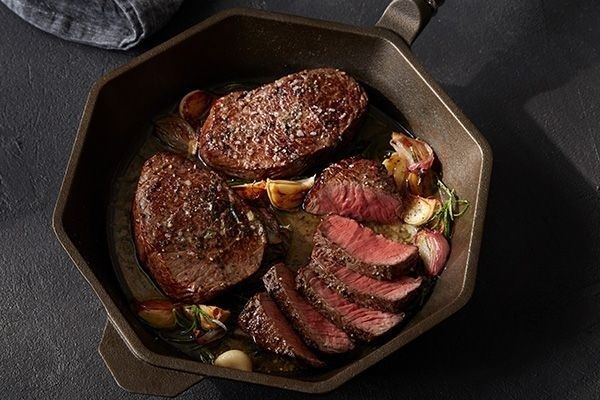
A pale mushroom becoming bronze, a steak developing a mahogany crust, or an onion turning soft and tawny all demonstrate the transformative power of heat. These changes are not simply signs that food has been cooked. They are evidence that moisture has been managed, surfaces have reached critical temperatures, and new aroma compounds have been created. For cooks who want more than acceptable results, browning is one of the most useful forms of culinary control. A well-seared ingredient carries roasted depth, savory complexity, and a texture that contrasts beautifully with its tender interior.
Yet Maillard browning and caramelization are often treated as interchangeable. They are related but chemically distinct, and the difference matters at the stove. The Maillard reaction needs amino acids and reducing sugars, while caramelization is the heat-driven breakdown of sugars themselves. Both depend heavily on temperature and moisture, and both can occur in the same pan. If you are preparing a deeply browned dish, learning to recognize the transition from steaming to searing, from toasted fragrance to bitter smoke, turns cooking from guesswork into repeatable precision.
The Chemistry of Browning Decoded
The Maillard reaction begins when amino acids, the building blocks of proteins, interact with reducing sugars under heat. Reducing sugars include glucose, fructose, lactose, and certain forms of maltose. As temperatures rise and water on the surface evaporates, these compounds react through a series of rearrangements that produce hundreds of flavor and aroma molecules. The result can include roasted, nutty, meaty, biscuity, and savory notes. This is why a browned steak tastes fundamentally different from boiled beef, and why toasted bread has a richer character than dough that has only been warmed.
Caramelization follows a different route. It is the thermal decomposition and oxidation of sugars without requiring amino acids or proteins. Sugar molecules melt, break apart, recombine, and form compounds such as furans, which can contribute nutty aromas, and diacetyl, associated with buttery or butterscotch-like notes. The Maillard reaction often becomes active around 285 to 300 degrees Fahrenheit, while caramelization commonly becomes prominent at 320 degrees Fahrenheit or higher. These are practical ranges rather than rigid switches. Sugar type, acidity, food composition, pan material, and moisture all influence the actual threshold, and some sugars begin changing at considerably lower temperatures.
| Feature | Maillard reaction | Caramelization |
|---|---|---|
| Primary building blocks | Amino acids and reducing sugars | Sugars alone |
| Typical culinary examples | Steak crust, toasted bread, roasted coffee, browned mushrooms | Caramel sauce, browned sugar, roasted sweet vegetables |
| Common working range | Approximately 285 to 300 degrees Fahrenheit and above | Often approximately 320 degrees Fahrenheit and above |
| Flavor direction | Roasted, savory, nutty, meaty, toasted | Sweet, buttery, nutty, fruity, increasingly bitter when overdone |
| Main moisture concern | Surface water can hold temperatures near the boiling point and delay browning | Excess water delays sugar concentration and thermal breakdown |
In real food, the two pathways frequently overlap. An onion contains sugars as well as amino acids, so its transformation involves both caramelization and Maillard chemistry. A roasted pastry likewise contains proteins, sugars, and water in changing proportions. The useful distinction is not about assigning one label to every browned ingredient. It is about understanding which ingredients are available and which heat conditions will emphasize savory roastiness, concentrated sweetness, or both.
Sensory Cues to Guide Your Heat Control
Temperature readings are valuable, but the pan communicates continuously through sound, aroma, color, and resistance. At first, a wet ingredient produces a soft, diffuse hiss. That sound indicates that surface moisture is evaporating. As the surface dries, the sound becomes sharper and more rhythmic, with a crisp crackle that signals active searing. This acoustic shift is especially useful when cooking in a pan without a reliable surface thermometer. The goal is not maximum noise. The goal is to hear moisture giving way to direct contact between hot fat, metal, and food.
Aroma develops in stages. Raw ingredients may smell green, sulfurous, metallic, or simply damp. As browning begins, those notes give way to toasted grain, roasted nuts, warm butter, coffee, or concentrated meat. Color should deepen gradually from pale gold to amber and then to brown. Dark patches that appear abruptly, especially in dry areas of the pan, are warnings rather than proof of better flavor. On stainless steel, a properly seared piece often releases when its crust has formed. If it resists strongly, avoid tearing it away. Give it more time, or check whether excess moisture, insufficient preheating, or overcrowding is preventing the surface from setting.
- Sound: Move from a broad water-hiss to a tighter, active crackle as the surface dries.
- Aroma: Look for toasted and roasted notes, while reacting quickly to acrid smoke or sharp bitterness.
- Color: Aim for even golden-brown to mahogany development rather than isolated black spots.
- Texture: A formed crust feels firm at the surface and often releases naturally from stainless steel.
- Pan behavior: Small browned deposits are useful fond; rapidly blackening deposits need immediate heat reduction.
The Onion Paradox Where Both Reactions Collide
“Caramelized onions” are a practical lesson in why culinary language can be broader than strict chemistry. Onions contain natural sugars, but they also contain amino acids and sulfur compounds. As sliced onions heat, their cell walls soften, water is released, and pungent compounds break down. The volatile compound responsible for much of the eye-watering effect forms when onion cells are cut and enzymes bring sulfur-containing molecules together. Gentle cooking gradually transforms those sharp, raw notes into mellow sweetness and savory depth.
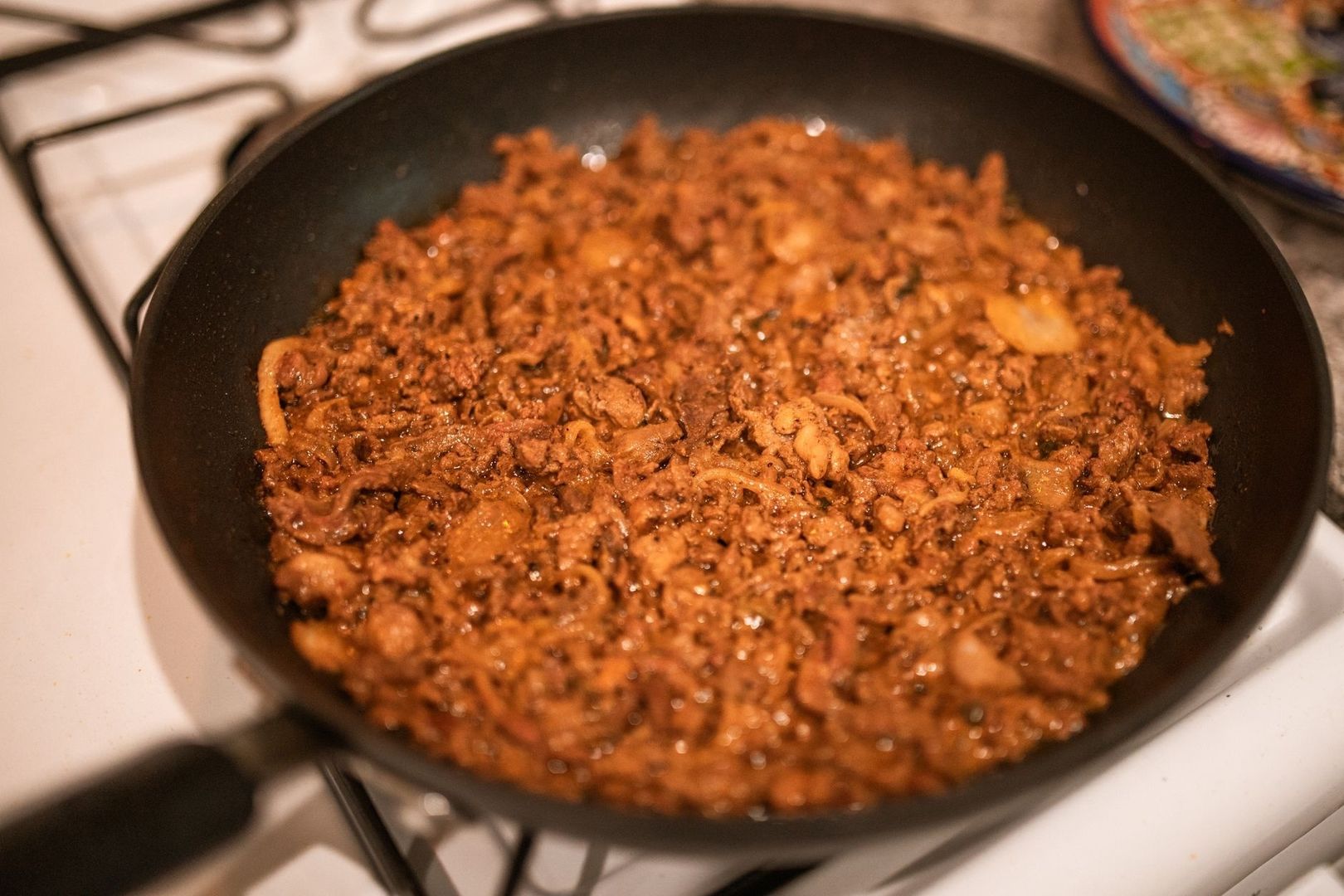
The process must balance evaporation with protection. Too much liquid and the onions steam, remaining pale and soft. Too little attention and the sugars and solids stuck to the pan scorch before the onions have fully collapsed. Salt can draw out moisture, while a small splash of water, wine, or dry vermouth can loosen developing fond when the pan becomes too dry. A tiny amount of baking soda can encourage Maillard browning by raising pH, but it can also make onions soften excessively and taste soapy if overused. Precision is more useful than aggressive heat.
- Slice the onions evenly so thin pieces do not burn while thicker pieces remain raw. Chill them briefly before cutting if reducing eye irritation is important.
- Warm a wide, heavy pan over medium-high heat, add olive oil or another suitable fat, and season the onions lightly with salt.
- Cook until the onions begin to soften and release water, stirring often enough to prevent isolated scorching but not so frequently that the pan cannot build heat.
- Reduce to medium-low once the initial moisture has evaporated. Continue cooking slowly, scraping the bottom whenever browned material begins to collect.
- Add a small splash of water, stock, wine, or dry vermouth when the fond turns dark and sticky. This dissolves concentrated flavor and returns it to the onions.
- Continue until the onions are deeply bronze, glossy, and almost jam-like, with sweetness balanced by savory, toasted notes.
The most successful batch is not simply the darkest batch. It should smell rich rather than burnt, taste sweet without becoming cloying, and contain enough savory complexity to support soups, sauces, sandwiches, tarts, or braised dishes. Low, steady heat gives the onion time to lose its pungency and develop layered flavor. Patience is not a substitute for technique here; it is the technique.
Mastering the Pan for Flawless Crusts and Sauces
Begin with preparation. Pat meat, fish, tofu, or vegetables thoroughly dry because surface water consumes heat while it evaporates. Seasoning strategy depends on the ingredient and timing. Salt applied in advance can improve internal seasoning, but it may also draw moisture to the surface during a short preparation window. If the food will be seared immediately, dry it again before it reaches the pan. Use a thin film of oil on the food or in the pan, and choose a fat whose smoke point suits the intended heat. Oil that smokes aggressively adds harshness and makes it difficult to distinguish useful browning from burning.
Cookware with substantial thermal mass, such as cast iron or heavy stainless steel, helps maintain temperature when cold food makes contact. Preheat the pan until a droplet of water skitters and evaporates, then add oil and place the food with enough clearance for hot air and moisture to escape. Crowding lowers the pan temperature and creates a humid environment, so work in batches when necessary. Resist the urge to move food immediately. A stable crust needs uninterrupted contact, and food that has browned properly often releases with a gentle turn rather than force.
- Dry the surface: Blot thoroughly, especially after marinating or thawing.
- Preheat deliberately: Give the pan time to store heat instead of relying on a brief burst of high flame.
- Leave space: A single layer with visible gaps allows steam to escape.
- Control the fat: Use enough to promote even contact, but remove excess that could lower the pan temperature.
- Watch the fond: Brown residue is flavor; black residue is a warning to reduce heat or deglaze.
Deglazing turns the pan”s residue into sauce. After removing the seared ingredient, lower the heat briefly if the fond is very dark. Add wine, stock, water, or another flavorful liquid and scrape with a wooden spoon while the liquid bubbles. The liquid should dissolve the brown deposits without carrying away burnt particles. Reduce until the sauce coats the back of a spoon, then finish with butter, cream, herbs, or a small amount of acid. This sequence captures both the savory compounds created by Maillard browning and the concentrated sweetness that may have developed from vegetables or sugars in the pan.
Harness the Heat to Command Flavor at Will
The essential distinction is simple but powerful: Maillard browning creates flavor through bonds between amino acids and reducing sugars, while caramelization transforms sugar through heat alone. That difference explains why a steak crust tastes roasted and savory, why browned bread smells nutty, and why concentrated sugar develops buttery, fruity, or bitter notes. Once the ingredients and pathways are understood, the pan becomes easier to read. Dry surfaces brown more effectively, heavy cookware protects temperature, and controlled spacing gives the chemistry room to work.
Use timers as support, not as the final authority. Trust the transition in sound, the movement from raw to toasted aroma, the gradual deepening of color, and the moment a crust releases cleanly. Heat is not merely a setting on the stovetop. It is an expressive seasoning that can be adjusted to emphasize sweetness, roastiness, savoriness, or contrast. With attentive observation, every sear and sauté becomes an intentional decision rather than a hopeful wait for something to turn brown.